
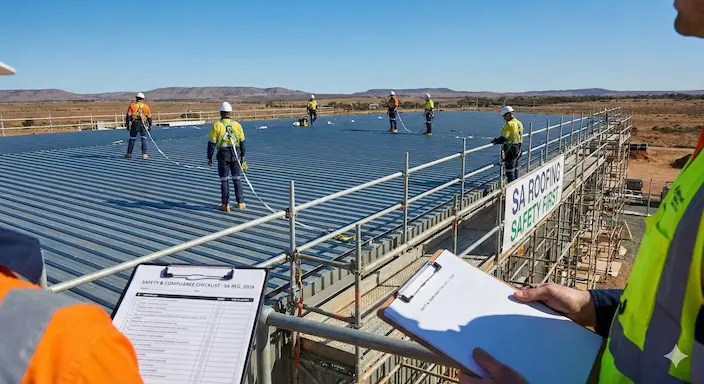
Safety and compliance are vital in SA industrial roofing projects. Serious risks come from working at heights, handling heavy materials, and using advanced roofing technology. Local regulations are strict in South Australia and must always be followed. Adhering to building codes protects workers, businesses, and property owners, reducing risks and costs. This guide explains safety standards, legal obligations, compliance requirements, and technology supporting safe commercial roofing. We also answer major questions and provide real-world advice, supporting duty holders and project managers in securing their workforce and meeting SA’s compliance demands.
Understanding Safety Standards for Industrial Roofing
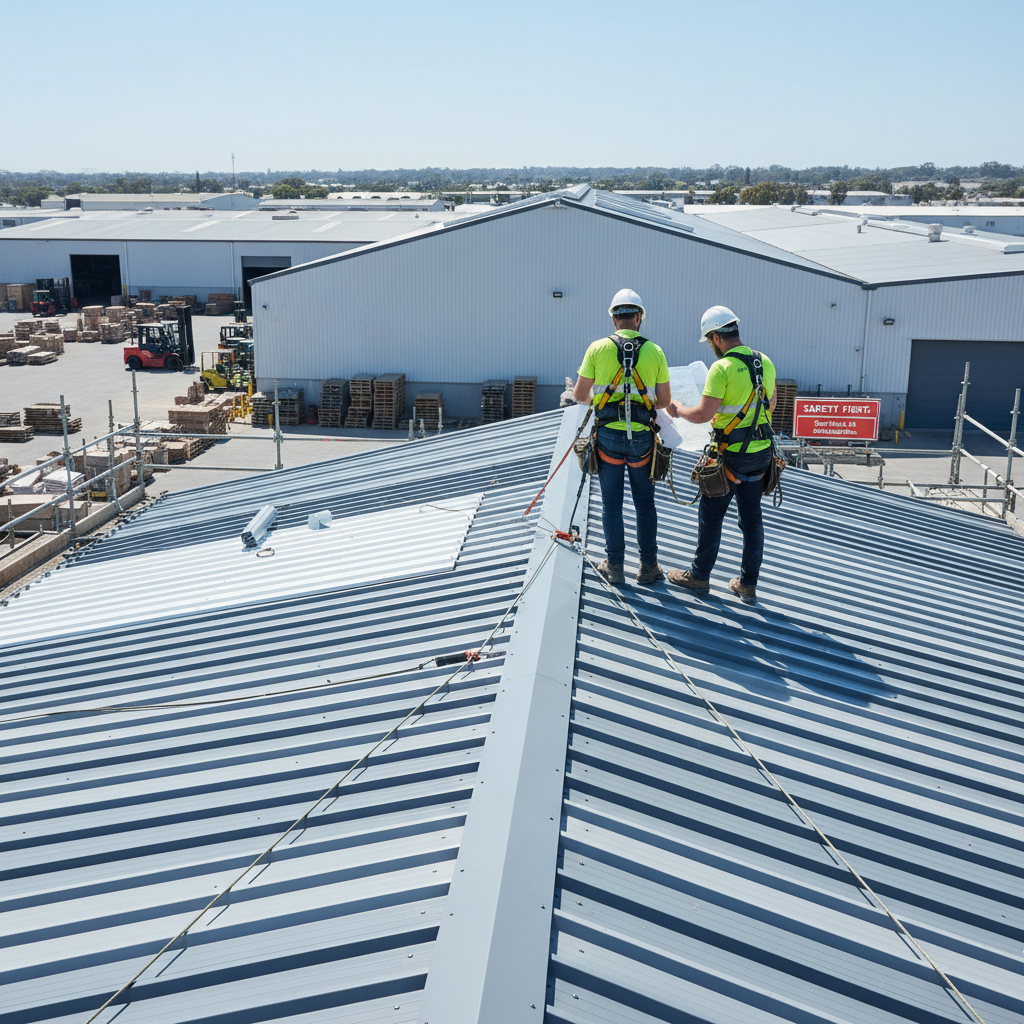
Industrial roofing projects in South Australia must comply with robust safety standards. The occupational safety and health administration (OSHA) sets the bar for safe work practices in roofing projects globally. In SA, local building codes and regulations reinforce these requirements. Contractors must observe stringent safety protocols, including fall protection systems, roof anchors, and OSHA 30 certification for key staff. Fall protection standards mandate use of guardrail systems, roof anchors—a choice between temporary roof anchors, permanent roof anchors, or mobile roof anchors—and high-quality safety equipment.
Adequate safety training covers emergency procedures, safe equipment handling, and proper installation practices. Safety compliance also involves understanding fire resistance classifications, following the International Building Code (IBC Chapter 15), meeting NFPA standards, and ensuring load-bearing capacities and structural requirements are maintained for every roofing system. Regular reference to municipal websites and consultation with local authorities keep any roofing contractor updated on current safety code updates, wind resistance requirements, and seismic zone regulations.
Key Compliance Requirements for SA Industrial Roofing
Every commercial roofing or industrial roofing project needs meticulous compliance management. permit requirements begin with contacting local building permit departments or the building department for an official permit acquisition. building regulations and local building codes dictate material compliance, energy codes, stormwater management, and minimum load capacity for the building envelope.
Documentation is required for every step. Project managers must maintain accurate inspection data, warranty standards, and proof of quality assurance during and after installation. Reroof Surgeon‘s strict project management ensures nothing is missed, relying on robust quality control, detailed flashings details, and precise membrane welding of single-ply membranes. Adhering to manufacturer specifications and updated installation practices assures compliance throughout the project. Quality control and regular roof monitoring are essential for successful handover and long-term performance.